
MENTAL HEALTHBipolar 1 vs Bipolar 2: The Real Difference
A plain-language guide to bipolar 1 vs bipolar 2 from an Iowa therapist: what sets them apart, how each one feels, and where therapy fits alongside care.
By Tyler J. Jensen | 10 min read | July 2026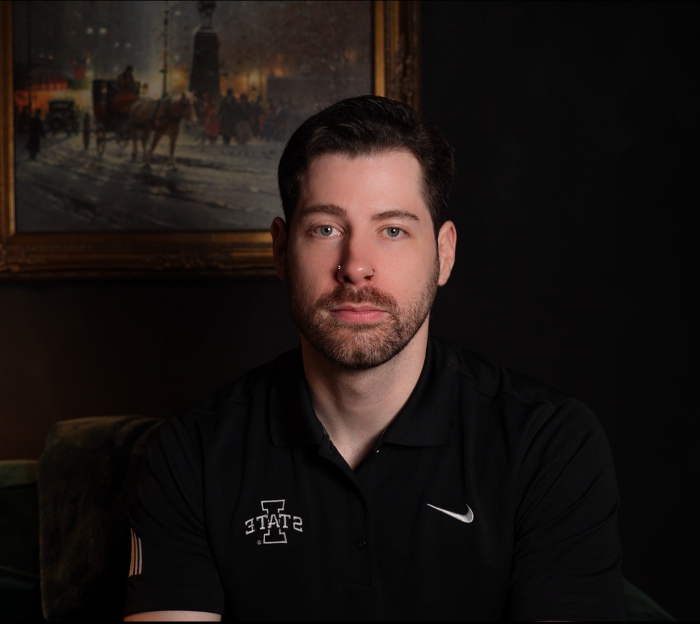

Here is the short version. Both bipolar 1 and bipolar 2 swing between an elevated mood and depression, and the whole difference lives on the elevated side. Bipolar 1 includes full mania, a state intense enough to sometimes require hospital care. Bipolar 2 includes hypomania, a milder lift, sitting on top of depression that usually runs longer and cuts deeper. So no, bipolar 2 is not a lighter version of bipolar 1. It is its own pattern, and for most of the clients I see with Bipolar 2, the depression is the part that hurts most.
Let me walk through this the way I would with someone sitting across from me, because these labels get tossed around constantly and almost never explained with any warmth. Your diagnosis is not a verdict on who you are. It is a map. A good map does not shrink the territory, but it does make it less frightening to cross.
Picture two different weather systems
Mood is easier to understand as weather.
Bipolar 1 is the full storm. Mania is not a good week or a run of productivity, and calling it that misses the point entirely. It is a hard break from your baseline. Days of almost no sleep with no fatigue to show for it. Thoughts sprinting past what your mouth can keep up with. Plans that feel brilliant at 3 a.m. Spending, driving, risks that do not read as risky from the inside. Turn the volume up far enough and judgment and safety start to go, and in the most severe episodes mania brings psychosis, a loss of contact with what is real. That is the reason bipolar 1 sometimes ends in a hospital stay. The system is past capacity. Clinically, that manic state has to last about a week to count, or less if it is dangerous enough to need immediate care.
Bipolar 2 is a slower front. Hypomania is the smaller cousin of mania: wired, quick, unusually sure of yourself, needing less sleep, maybe more irritable, maybe more magnetic than your ordinary self. People who know you might notice you are "up." Your life usually keeps functioning, and hypomania never tips into psychosis. The trouble is what moves in behind it. In bipolar 2, the low stretches are the long grey ones. Heavier. More frequent. And because the high looked harmless, the depression is the part you are likely to underestimates, right until it is running the show.
Same family. Two different systems entirely.
What mania and hypomania feel like from the inside
Here is what most explanations leave out. These elevated states can feel good, at least early on, which is precisely what makes them so hard to catch.
Mania can feel like clarity. Like someone finally turned the volume of your life up, and everything is connected, possible, within reach. Which is why the crash afterward is so cruel, when the bill for all of it comes due at once. Hypomania is quieter but seductive in its own way. It can pass for the sharpest, most productive version of you, the one who answers every email and is a delight at dinner. When a state feels like that, being told it is a symptom can land as almost offensive.
Your body tends to know before your story does, though. The sleep that vanishes while you feel no more tired for losing it. The mind that will not power down the second your head hits the pillow. The jaw that stays clenched, the engine that will not drop to idle. If you have lived inside this, you already know the strange exhaustion of running hot with no off switch to find.
Hypomania vs mania: where the line is drawn
This distinction is the whole ballgame for telling the two diagnoses apart, so let us slow down here.
Mania is longer, larger, and more wrecking. At least a week, or a hospital before the week is out, and it can carry psychosis. Hypomania sits lower to the ground. A few days at minimum, visible to the people close to you, but it does not dismantle your functioning or sever your grip on reality.
And here is the catch that costs people years. Hypomania does not announce itself as a problem. It shows up as a great stretch, a run of finally getting things done. So most of the people sitting across from me never think to bring it up. They walk in talking about the depression and nothing else, and the up periods stay invisible unless someone knows to ask about them.
So which depression is worse?
Here is where the "bipolar 2 is the mild one" idea does its damage.
The logic sounds reasonable: milder high, milder illness. In practice it often runs the other way. One landmark study tracked people with bipolar 2 for more than a decade and found they spent roughly half of all those weeks in some form of depression, against barely one percent in hypomania (Judd et al., 2003). The National Institute of Mental Health says it plainly too: many people with bipolar 2 live in long, low-grade depressive stretches. That depression is what walks people into my office, often after years of being handed the label of treatment-resistant depression when the truth was never plain depression at all.
So "which is worse" is the wrong question. They are two different shapes of hard. What counts is naming the pattern correctly, because the history of highs, however small they seemed, changes everything about what comes next.
Why the right name changes everything
Miss the hypomania and bipolar 2 reads as ordinary depression. That one miss has teeth. The version I see most often: someone gets treated for depression with an antidepressant alone, no mood stabilizer, and the medicine meant to lift them instead knocks the whole system loose, sometimes tipping them toward the very highs no one knew to look for. This is a prescriber's territory, not mine, and it is the strongest case I know for a careful evaluation before anyone commits to a plan.
Let me be plain about my own lane. I am a therapist, not a prescriber. I do not diagnose bipolar disorder in a hallway, I do not hand out medication advice, and I would raise an eyebrow at anyone online who does either. What I can offer is what I watch happen over and over. People who spent years blaming themselves for being flaky or dramatic or broken finally breathe out when the pattern gets a name. The relief is not about the word itself. It is the discovery that the chaos had a logic all along, and a logic is something you can work with.
Where therapy fits
For bipolar disorder, medication is usually the floor you build on, and that conversation belongs to a medical provider. Therapy does not replace it. Think of the two as halves of the same job.
My half looks like this. We learn your particular early-warning signs, the specific way your sleep, energy, and thinking start to tilt before an episode fully lands, because yours will not read exactly like anyone else's. We build the unglamorous routines that hold mood steady, the regular sleep and regular meals that sound too simple to matter and matter enormously. You pick up skills for riding out intense emotions without paying full price for them later. And we make room for the grief of it, for what the illness has already cost, then start rebuilding a life shaped by what you value instead of by the next episode. The people I work with tend to describe the same shift: from something that keeps happening to them, to something they can see coming and stand inside.
If that is where you are, I offer therapy for bipolar disorder in Iowa City and by telehealth across Iowa, always beside your medical care, never in place of it.
The aim was never a life with no weather. It is the steadiness to watch it roll in and stay yourself the whole way through.
A small, free tool while you sort this out
Trying to make sense of your own patterns? Tracking is one of the most useful things you can do, and it is not busywork. Writing down your sleep, energy, and mood turns a blur of "good weeks and bad weeks" into something concrete you and a provider can read together. More than once, a hidden hypomanic pattern has only come into focus after someone saw their own weeks laid out on the page.
So I built a free one-page Mood and Energy Tracker for exactly that. Nothing elaborate. A minute a day, and something useful to bring to your next appointment. Download it free, no strings attached.
Frequently asked questionsWhat is the main difference between bipolar 1 and bipolar 2?
The elevated mood state. Bipolar 1 includes full mania, which is intense, lasts at least a week or requires hospital care, and can include psychosis. Bipolar 2 includes hypomania, a milder and shorter high, alongside depressive episodes that are often longer and more frequent. Both are serious conditions. They are built on different patterns.
Is bipolar 2 less serious than bipolar 1?
No, and the belief that it is does real harm. The high is milder in bipolar 2, but people with it often spend far more of their lives in depression, which can be deep and long-lasting. A different shape of hard, not a lighter one.
What is the difference between hypomania and mania?
Hypomania is a less extreme version of mania. It can bring high energy, less need for sleep, fast thinking, and an elevated or irritable mood, but it does not cause the severe disruption or the loss of contact with reality that full mania can. Mania is longer, more intense, and can become dangerous without care.
Can therapy help with bipolar disorder?
Yes, as part of a bigger plan. Medication from a prescriber is usually the foundation. Therapy supports it by helping you spot early-warning signs, build mood-protective routines, ride out intense emotions, and rebuild a life around your values. I am a therapist, not a prescriber, so I work alongside your medical provider rather than in place of them.
How do I know which type I have?
Only a qualified professional can diagnose bipolar disorder, and only by looking carefully at your history, including the elevated periods that are so easy to miss. If you see yourself in any of this, let it be a reason to seek an assessment, not a reason to diagnose yourself from a blog.
You do not have to go through this alone
Learning the difference between bipolar 1 and bipolar 2 is a real first step, and rarely the whole journey. If mood swings have left you confused or worn down, therapy can help you find footing and work in step with your medical care. I offer trauma-informed therapy in person in Iowa City and by telehealth across Iowa, in unhurried, 53-minute sessions built around you.
When you are ready, you can book a free consultation. It is a relaxed, no-pressure 15-minute conversation about what you are carrying and whether working together feels like the right fit.
Reference
Judd, L. L., Akiskal, H. S., Schettler, P. J., Coryell, W., Endicott, J., Maser, J. D., Solomon, D. A., Leon, A. C., & Keller, M. B. (2003). A prospective investigation of the natural history of the long-term weekly symptomatic status of bipolar II disorder. Archives of General Psychiatry, 60(3), 261-269. https://doi.org/10.1001/archpsyc.60.3.261
A note on what this is: This article is for education and support, not a diagnosis or a substitute for therapy. If you are in crisis or thinking about harming yourself, you deserve help right now. In the U.S. you can call or text 988 to reach the Suicide and Crisis Lifeline, any time, day or night, or call 911 in the face of an active emergency.
I am a trauma-informed therapist in Iowa City, Iowa, working with adults in person and by telehealth across Iowa. My focus is the deepest and oldest wounds we carry, and helping you feel steadier, more connected, and more like yourself again.